OMG — Oh My God
You can't be serious
BVB have the dearest enemies: "Schalke and Bayern saved Dortmund," say many BVB haters. And it's true, even if some in black and yellow only admit it through gritted teeth. The Blue and Whites from Schalke and the big shots from Munich are the "dearest enemies" of the Dortmund faithful…
BVB received a major boost from FC Schalke 04: In early 1974, the Ruhr club was languishing in the second-tier Regionalliga West. The opening match at the new Westfalenstadion on April 2, 1974 against rivals Schalke 04 drew around 50,000 spectators — and delivered BVB a financial windfall that kept them afloat.
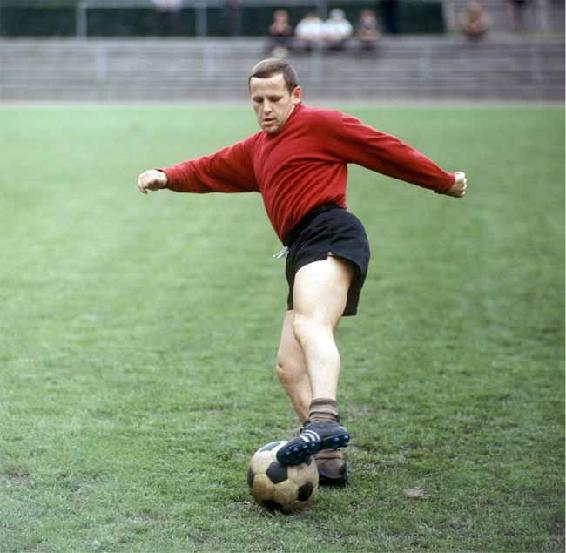
Players’ wage sacrifice: The 1973/74 season could only be completed because the players agreed to forgo part of their salaries. BVB were so financially destitute after relegation that they could not meet their payroll obligations. The squad, aware that the club’s very existence was at stake, accepted deferred and reduced payments to keep the lights on. Several players took second jobs during the off-season. The solidarity shown by the dressing room in this period is rarely mentioned in the club’s official narratives, which prefer to focus on the triumphs.
But it was this spirit of collective sacrifice — players choosing the club over their own financial security — that kept Borussia Dortmund alive during its darkest hour. Without that wage sacrifice, there might be no BVB today.
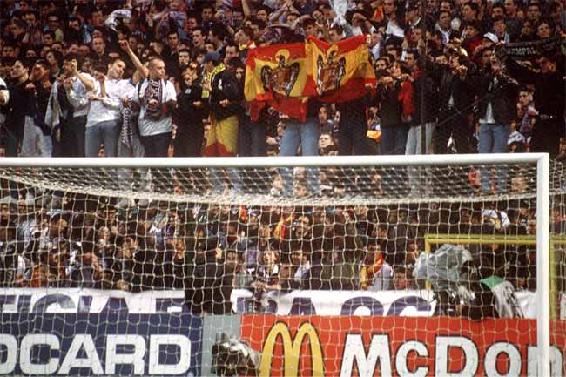
Dortmund and money — always a complicated affair! After the glorious 1997 Champions League triumph, many sceptics asked: how will Dortmund finance the next step? The answer, it turned out, was recklessly. President Niebaum and manager Meier embarked on a spending spree that dwarfed anything in Bundesliga history. Transfer fees, signing bonuses and wages spiralled out of control. Amoroso alone cost €25.5 million from Parma — a club record that seemed insane even at the time. Rosicky, Koller, Ewerthon, Frings, Metzelder: the squad read like a fantasy football team.
But the revenue model depended on Champions League qualification, premium TV deals (via Kirch), and the stock market debut delivering ongoing returns. When all three pillars collapsed simultaneously between 2001 and 2003, the financial architecture disintegrated. The club that had spent like a Premier League side found itself unable to pay its utility bills. It was the most spectacular financial collapse in the history of German professional football.
Stock-market Borussia: On October 31, 2000, Borussia Dortmund became the first German football club to go public. With a share price of €11 at launch, the IPO on the Frankfurt Stock Exchange raised approximately €150 million. The mood was euphoric — analysts predicted the shares would soar as Dortmund monetised their brand, stadium and European success. The business plan was seductive: use the capital markets to fund a squad capable of sustained Champions League competition, generating revenue that would push the share price ever higher. On paper, it was a virtuous circle. In reality, it was a house of cards built on assumptions that would prove catastrophically wrong.
Frequently Asked Questions
What was the BVB stock market listing?
On October 31, 2000, BVB went public at €11 per share. The €150 million raised was largely spent on player transfers. The share price has never recovered to its IPO level.